
Angkor and the temples
A 400 km² archaeological park explored by tuk-tuk, bicycle, or at dawn, alone in the mist.
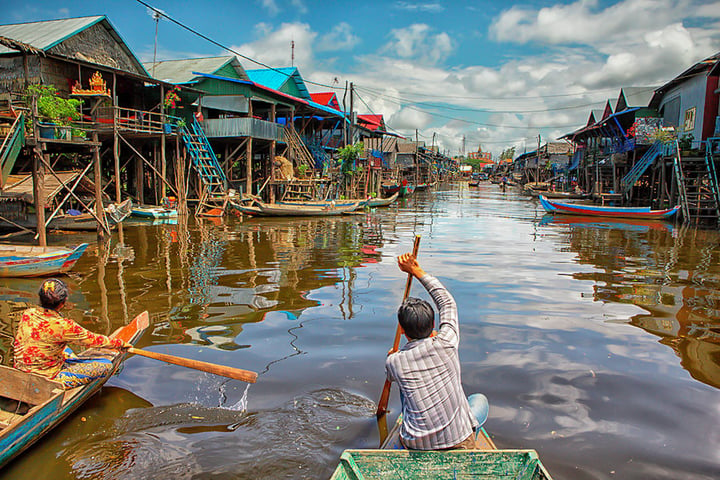
Between roots wrapping the stones of Angkor, Tonlé Sap floating markets, and the near-white sand of Koh Rong Sanloem, there is a country you do not rush through — you live in it, for a few days. Here is how to visit it well.
Browse itineraries →Angkor Wat, Phnom Penh, Tonlé Sap, and the coast: Cambodia still moves at a human pace. That is its strength.
People often come for Angkor — and stay for the rest: Khmer hospitality, rice fields waking up with the buffaloes, Kampot pepper you will not taste anywhere else, islands whose crossings depend on the port, season and departure times. The country is changing fast. Developed enough to travel comfortably, still quiet enough to travel honestly.
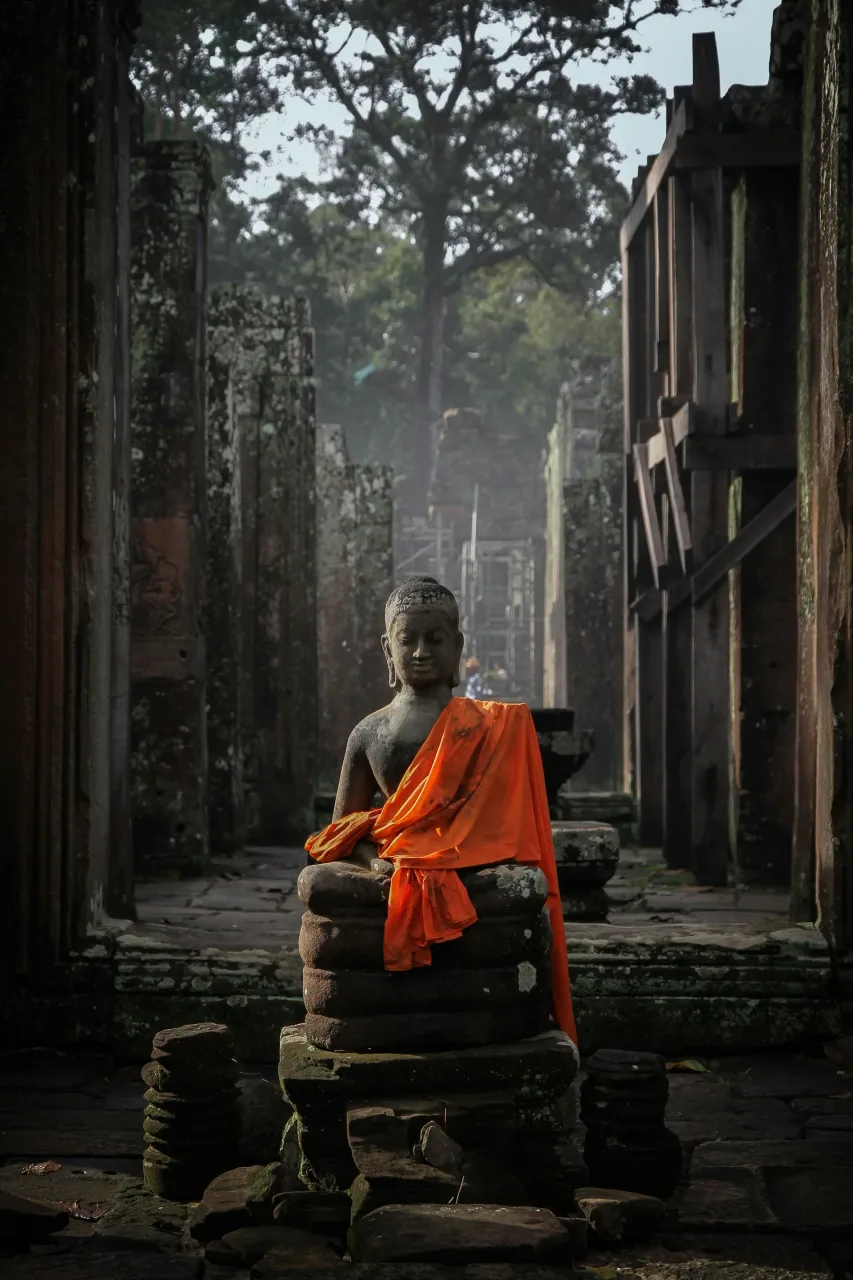
Temples, jungle, sea and towns: journey times vary considerably. Set aside a day for long connections and include transfers to the pier or hotel.
A 400 km² archaeological park explored by tuk-tuk, bicycle, or at dawn, alone in the mist.
Koh Rong, Koh Rong Sanloem, Koh Ta Kiev: choose a beach according to access, accommodation and season.
Mondulkiri jungle, Ratanakiri gibbons, semi-wild elephants: biodiversity that still feels spectacular.
Fish amok, beef lok lak, morning rice noodles: a cuisine less famous than Thai, often more subtle.
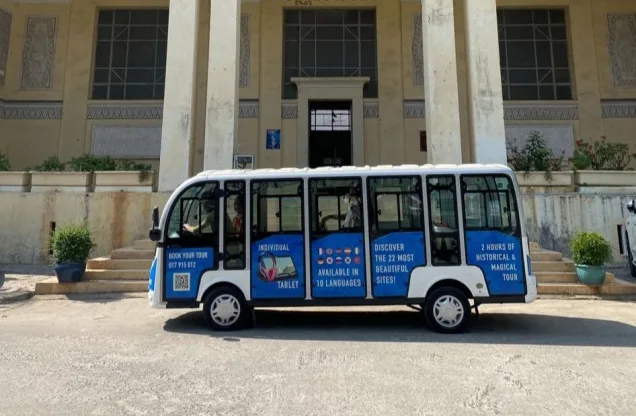 Our tour
A 2-hour 30-minute ride through the historic streets on a vintage electric bus. Tablet video guide in 10 languages, departures at 9 am and 2 pm from downtown.
View the activity →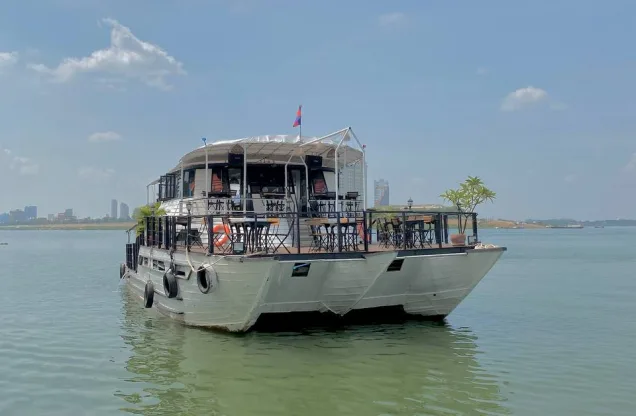 Our boat
1 hr 20 on the river at sunset, from $8, view of the Royal Palace. Departure from Sisowath Quay. Dinner option on board.
View the activity →Our editorial selection of GetYourGuide offers: compare programmes and terms on the partner listing.
Kanika cruises and the Heritage, Night and Silk tours are operated by the Easy Cambodia team. Direct booking requests remain subject to confirmation; check the terms of your chosen product.
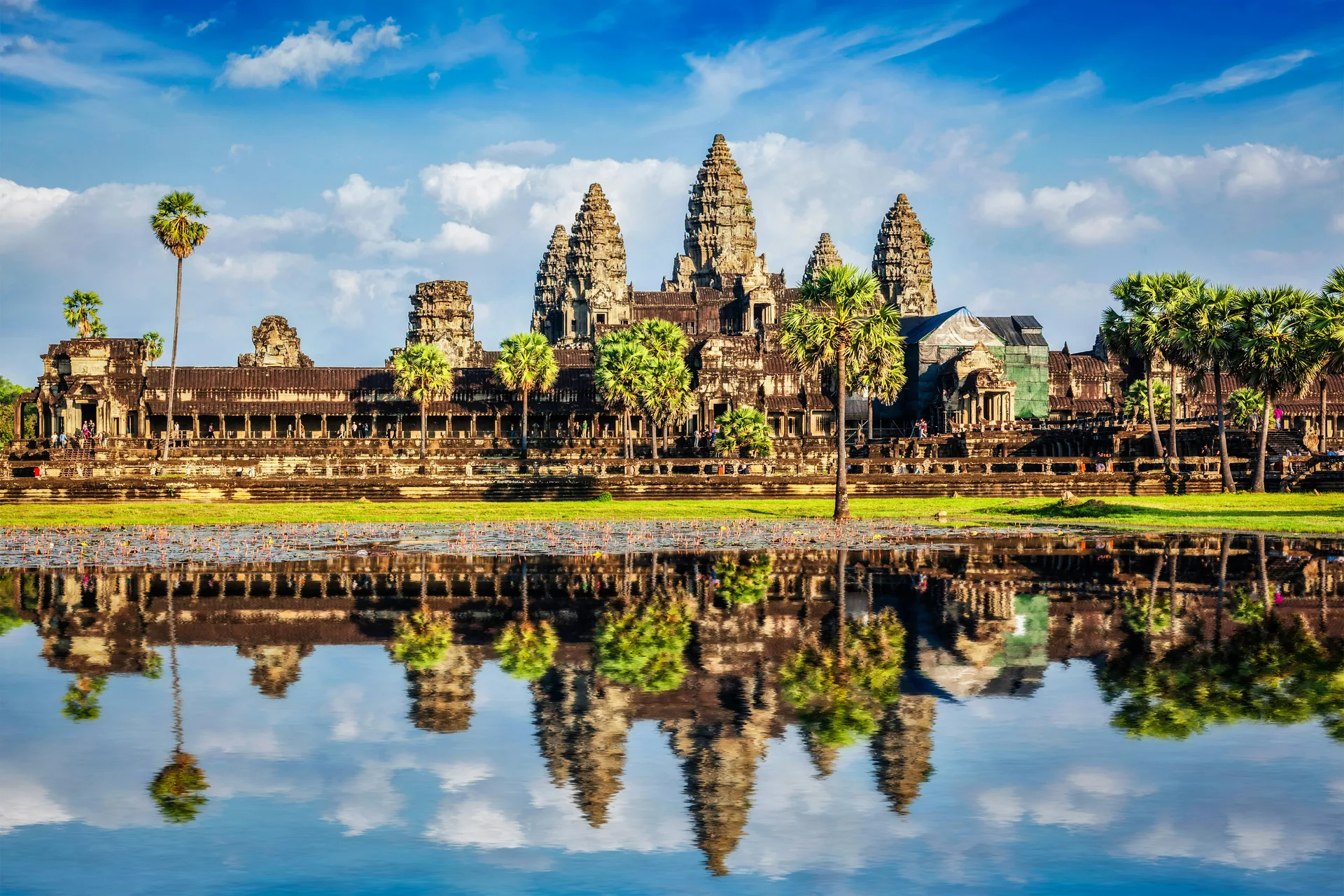
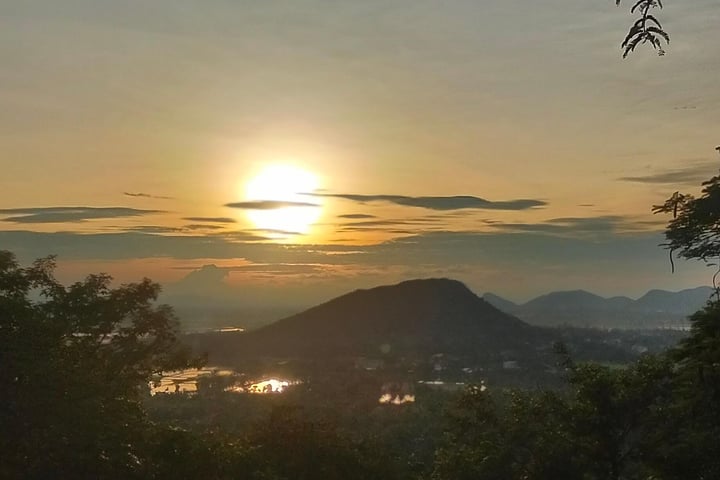
These guides offer editorial advice for planning visits. Partner offers are identified separately: check admission, language, transfers and cancellation terms for your selected option.
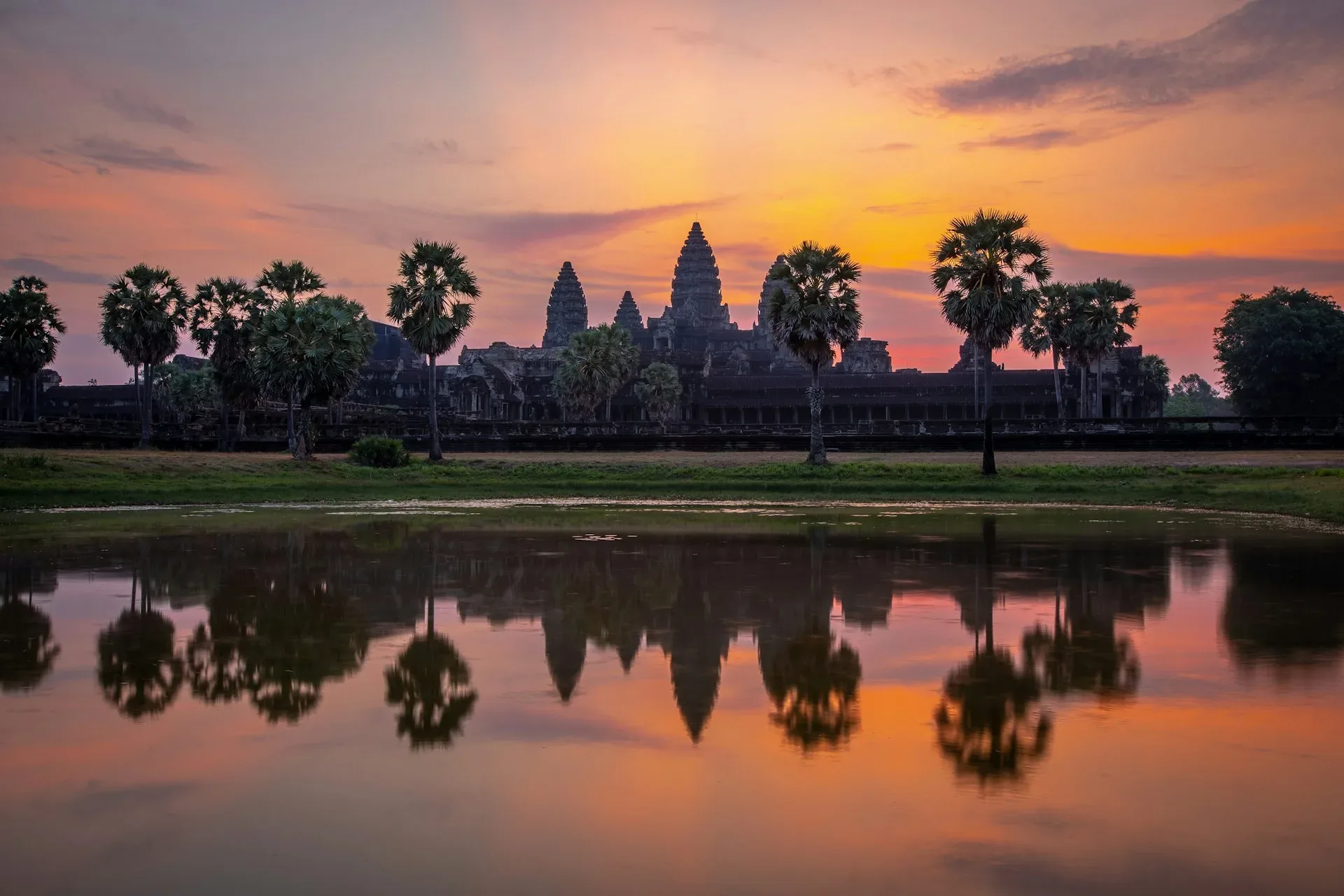 Essential
Arrange your sunrise departure with the driver. Check the Angkor pass, guide language and included transfers separately for your chosen offer.
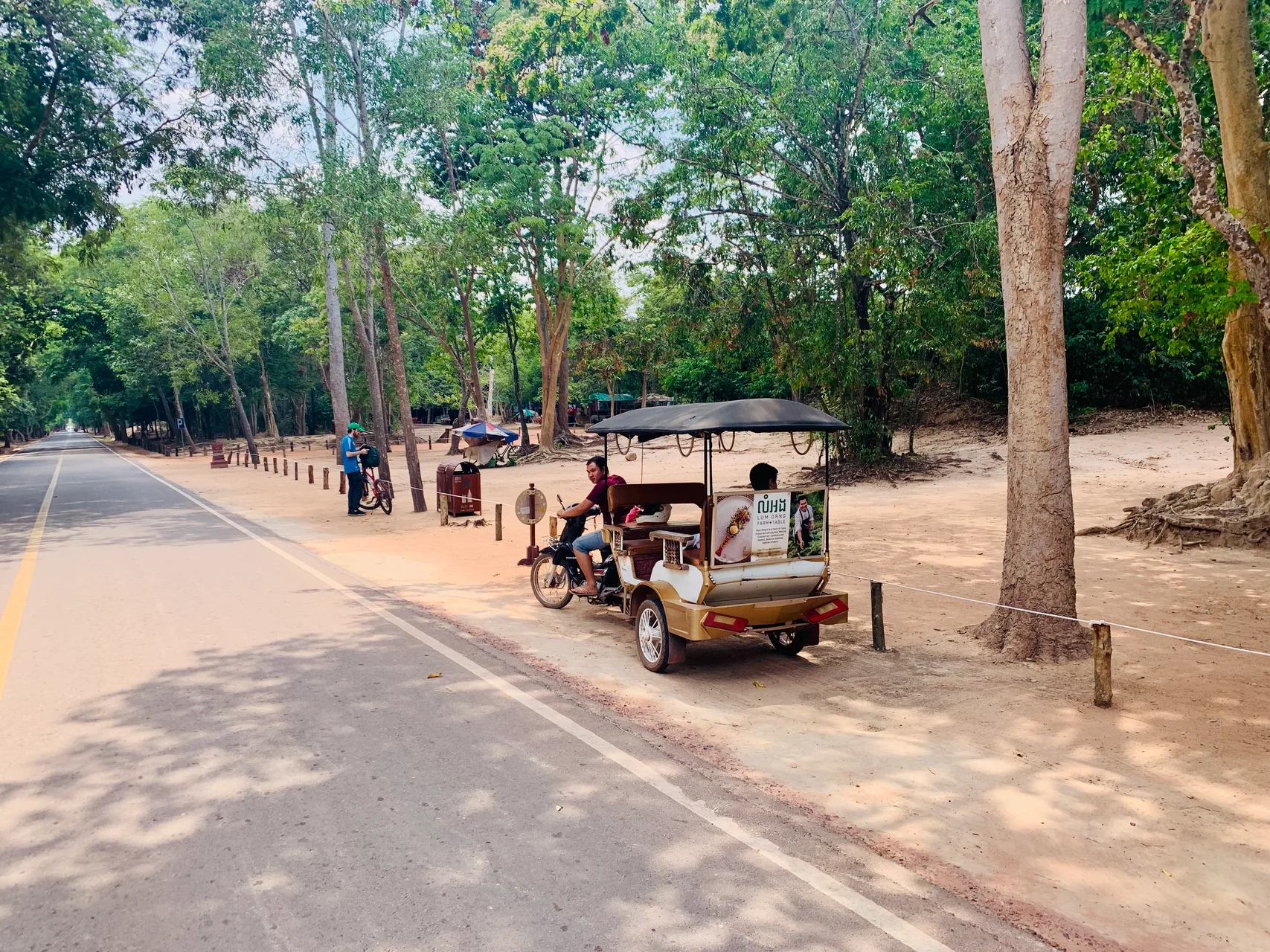
Agree the temple route with your driver and allow breaks in the shade. A driver is not necessarily a guide; confirm the route and included services.
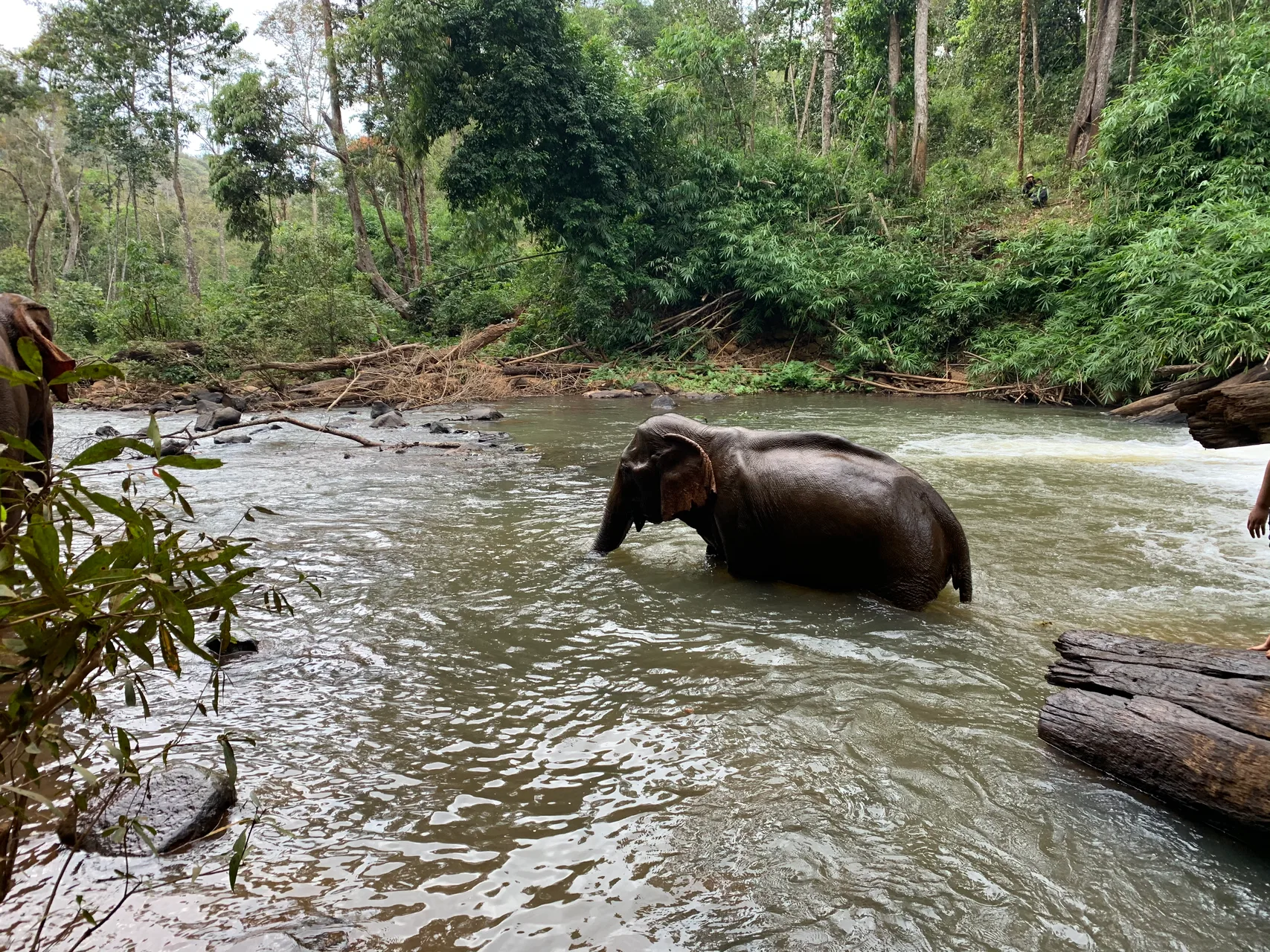
Explore elephant observation options in Mondulkiri. Confirm the programme and distance rules with your chosen project; contact and sightings are not guaranteed.
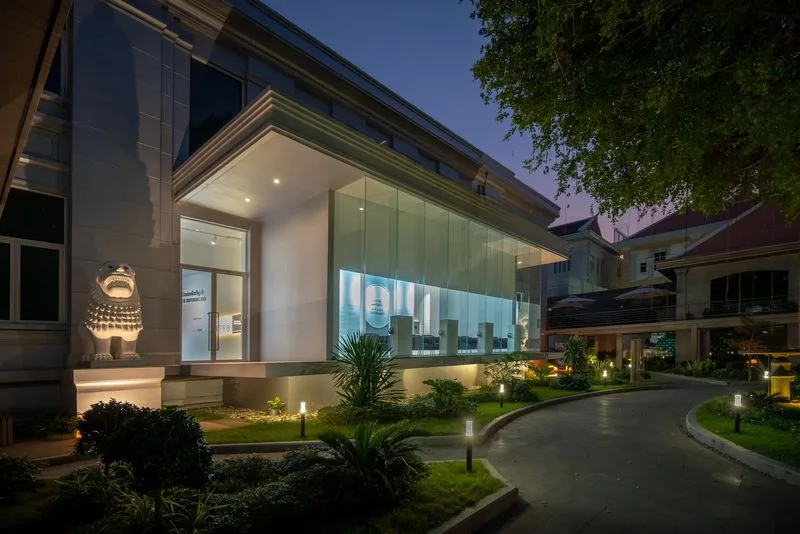
A modern, very clear museum on money, trade, and the country's big turning points. A great complement to Phnom Penh's heavier historic sites.
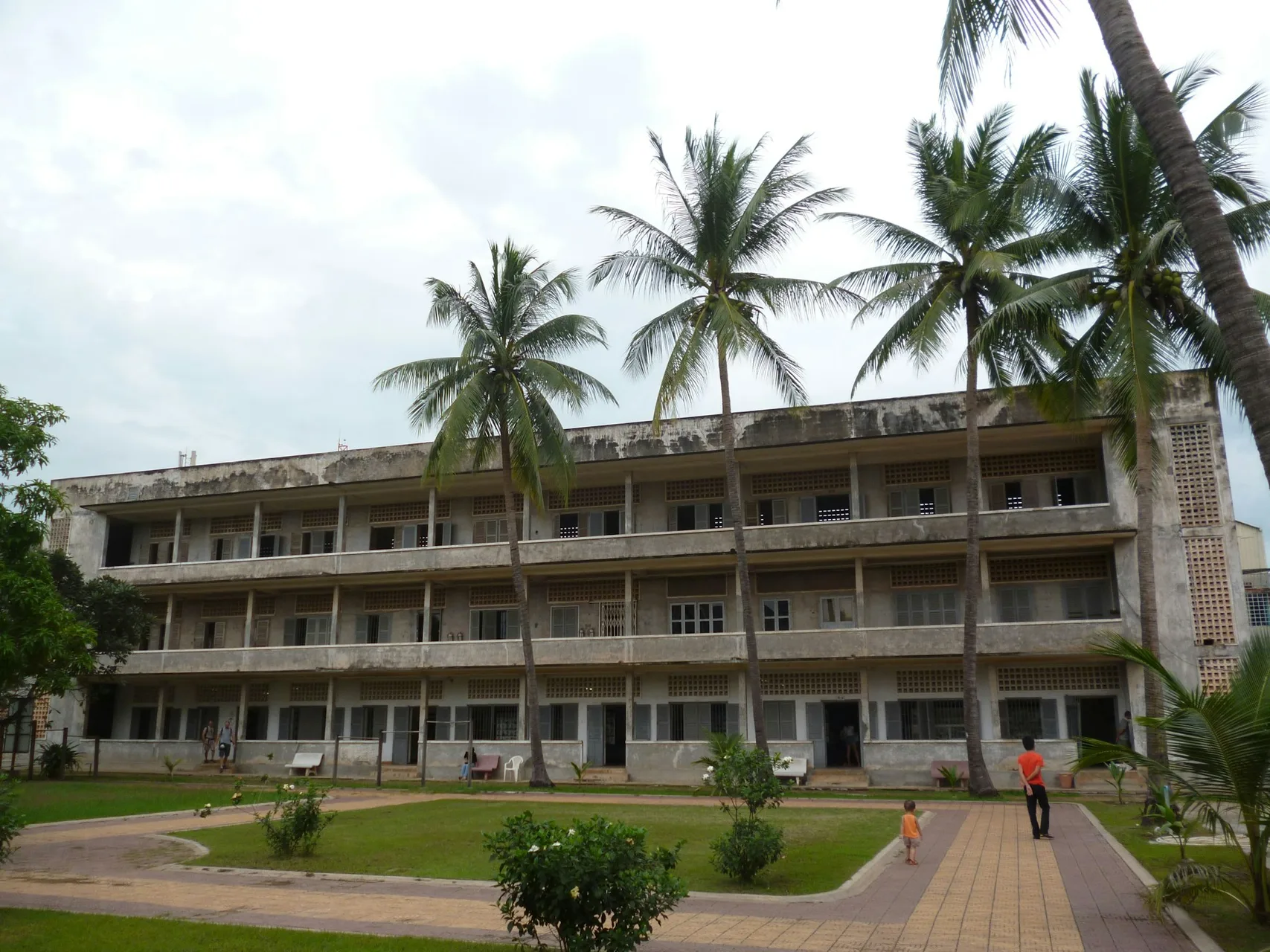
Guided visit to the genocide museum and memorial centre. It is hard, but today's Cambodia makes little sense without it. Check audio-guide languages and admission on your selected offer.
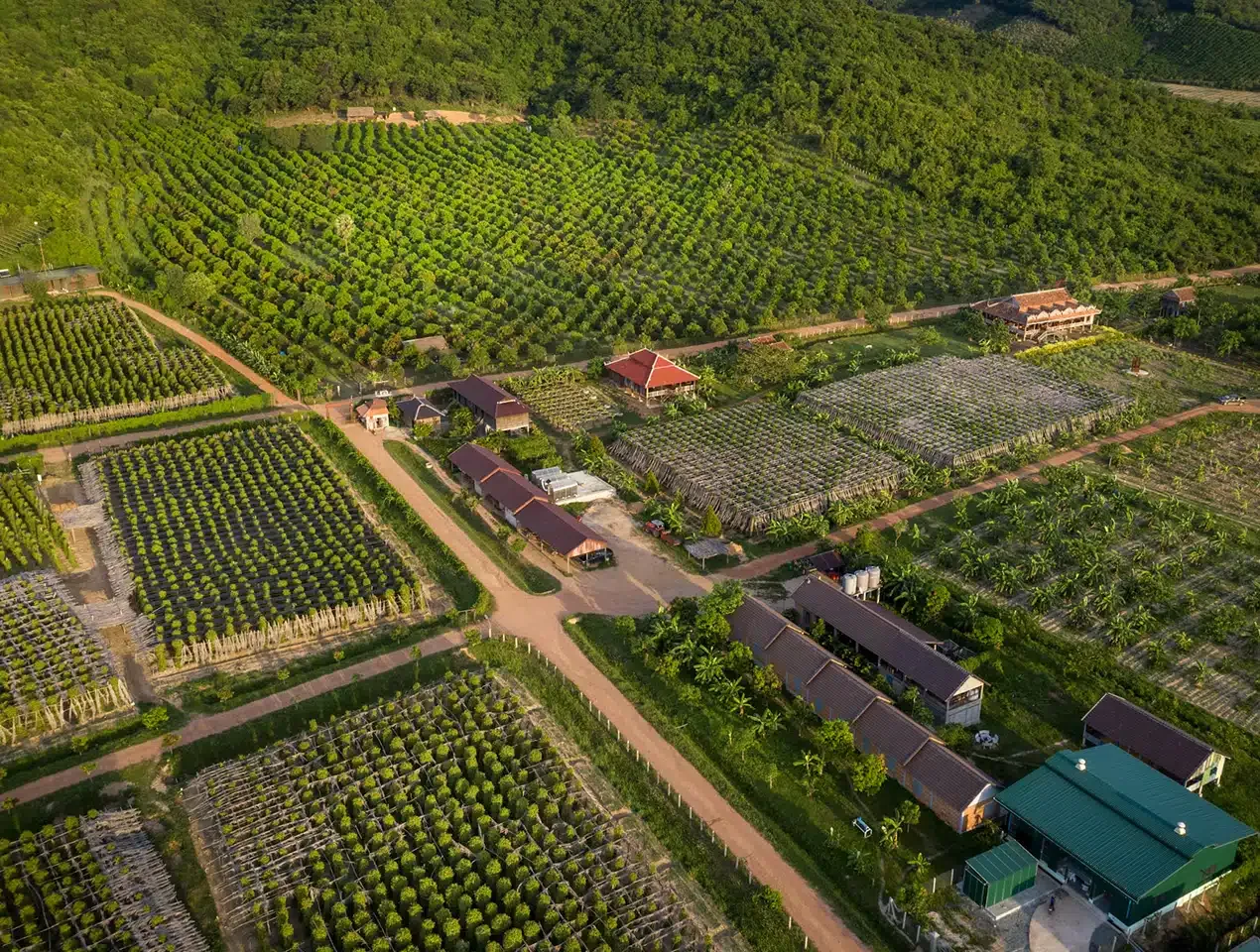 Favourite
Half day at La Plantation, tasting the three peppercorns (red, black, white), then a slow boat on the river with a drink in hand — the perfect Kampot stopover.
 Unique
Swim in water that lights up with every move — one of Southeast Asia's most striking experiences. When to go, where exactly, how to plan it.
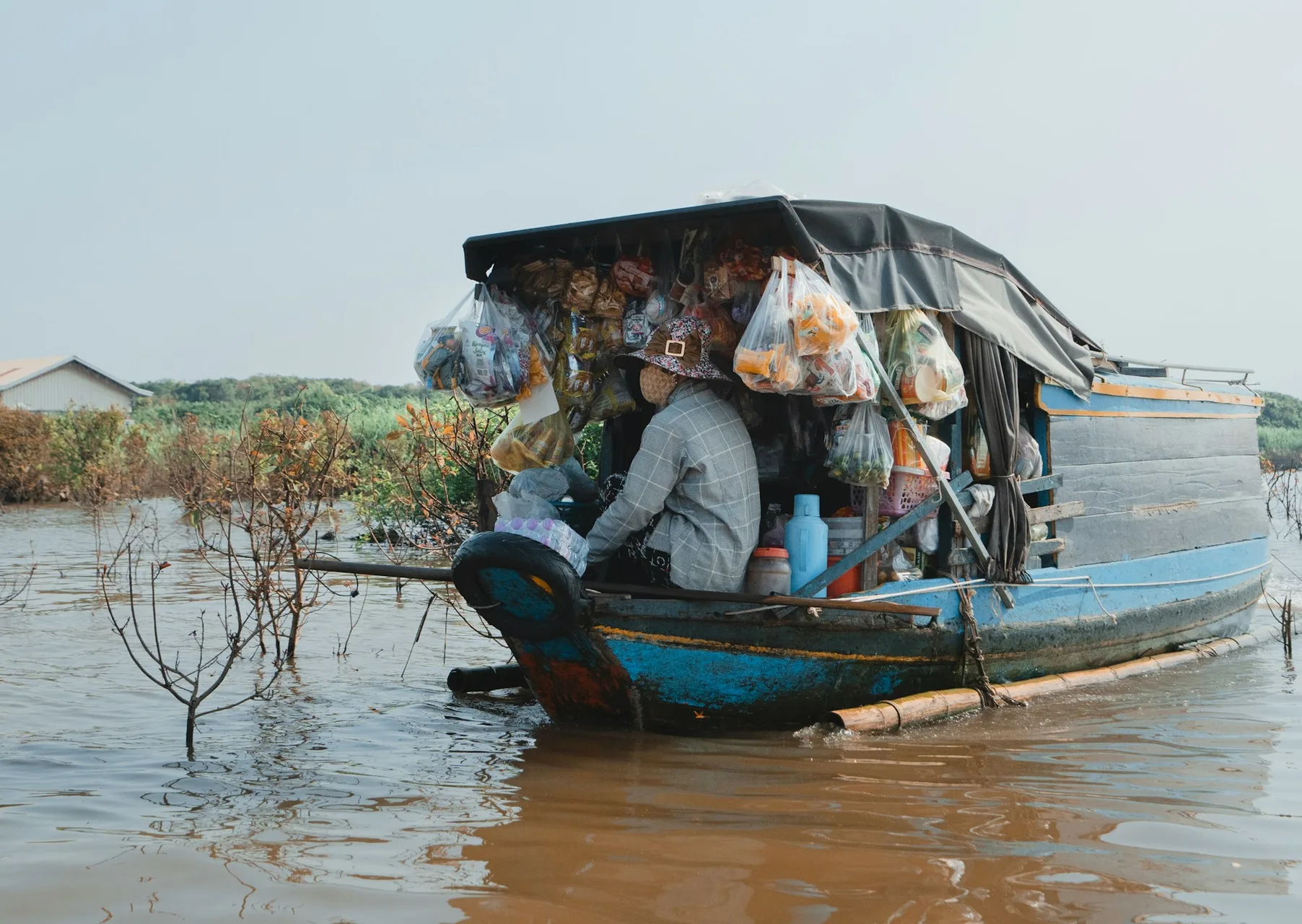
Koh Rong, Koh Rong Sanloem, Koh Ta Kiev, Koh Thmei — compare by travel style, ferries, where to stay, and seasons to pick the right island.

Acrobatics, theatre, and live music by former street children turned artists. Siem Reap's most moving night out — book ahead in high season.
Three editorial suggestions to adapt to arrival and departure times. Transfer days are not full sightseeing days: allow breaks for heat and fatigue, and a mainland night after the islands before an international flight.
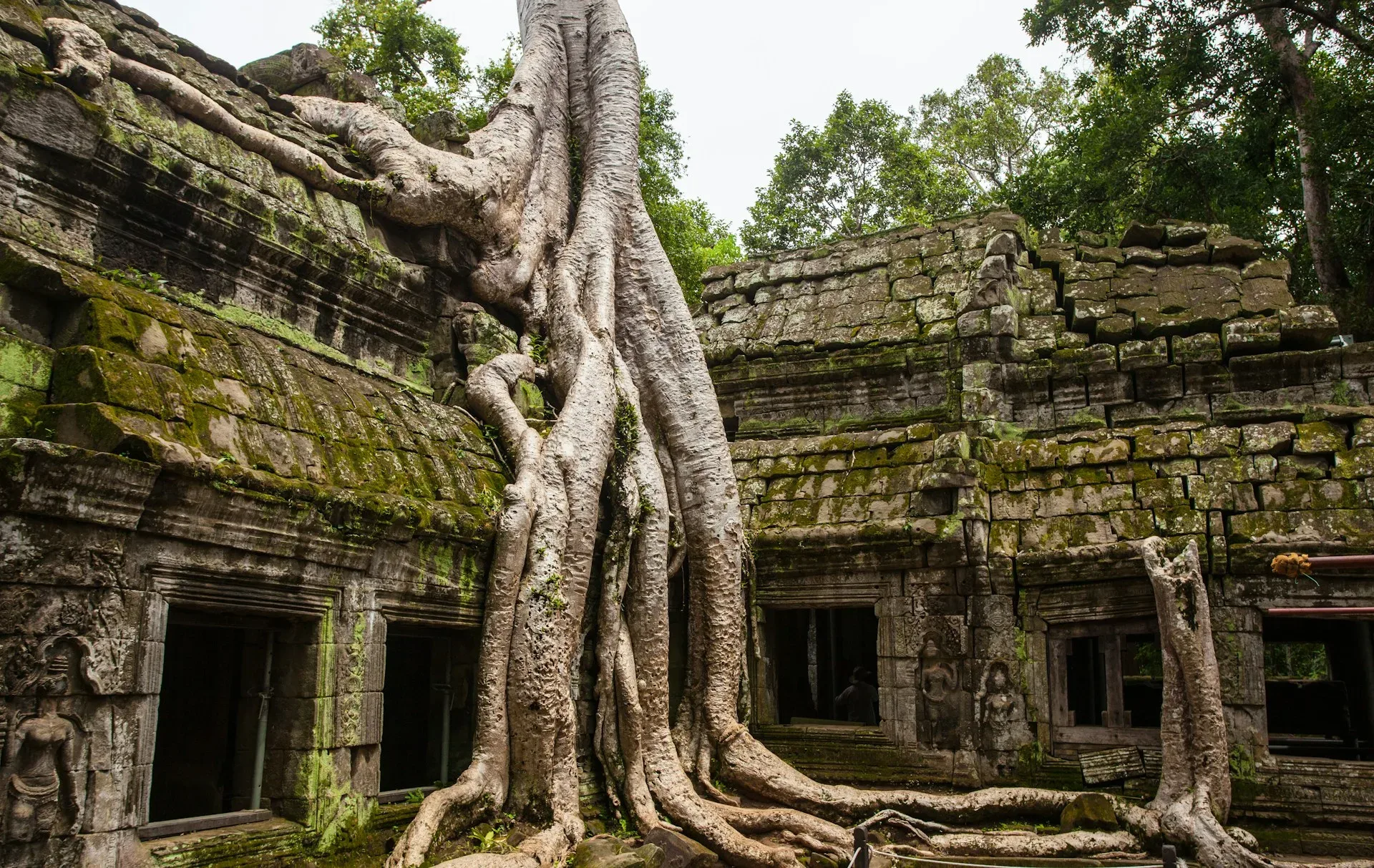
D1–3 Siem Reap. Three full days locally: arrive the evening before. Tonlé Sap remains optional, depending on water levels and your energy.
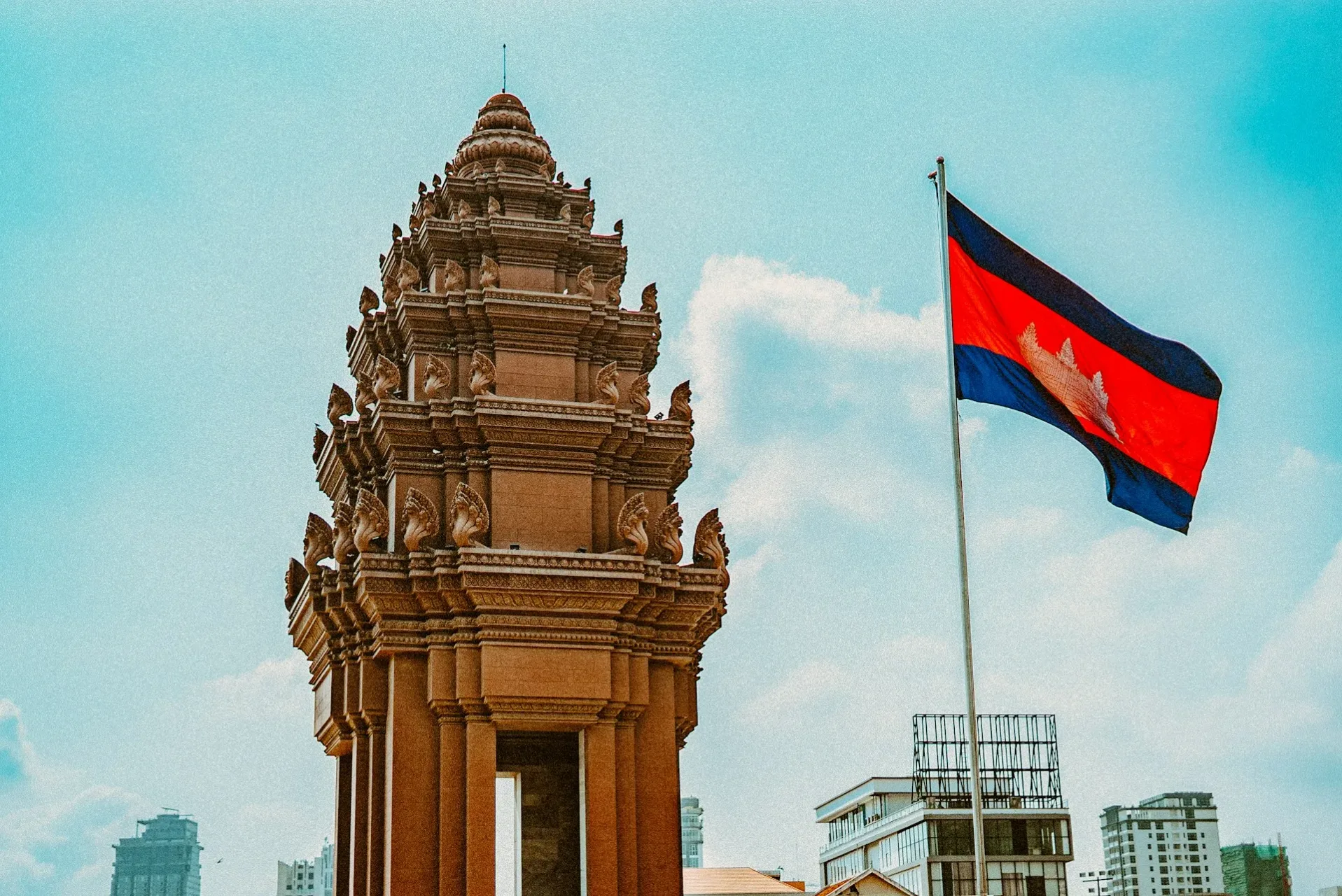
D1–4 Siem Reap → D5–6 Phnom Penh → D7 Kampot → D8 Koh Rong Sanloem → D9–10 Phnom Penh. A busy route: four Siem Reap nights, two initial Phnom Penh nights, one Kampot night, one island night and a final Phnom Penh night. For a full island day, extend the trip or remove a stop.
D1–4 Siem Reap → D5–6 Battambang → D7–9 Phnom Penh → D10–11 Kampot → D12–13 Koh Rong Sanloem → D14–15 Phnom Penh. Arrive the evening before to use the first full day. Transfers take up programme days; keep the final Phnom Penh night after the island. To slow down, remove a stop rather than rest breaks.
Cambodia reads in broad zones. Understanding what each name on the map means is already building your trip.
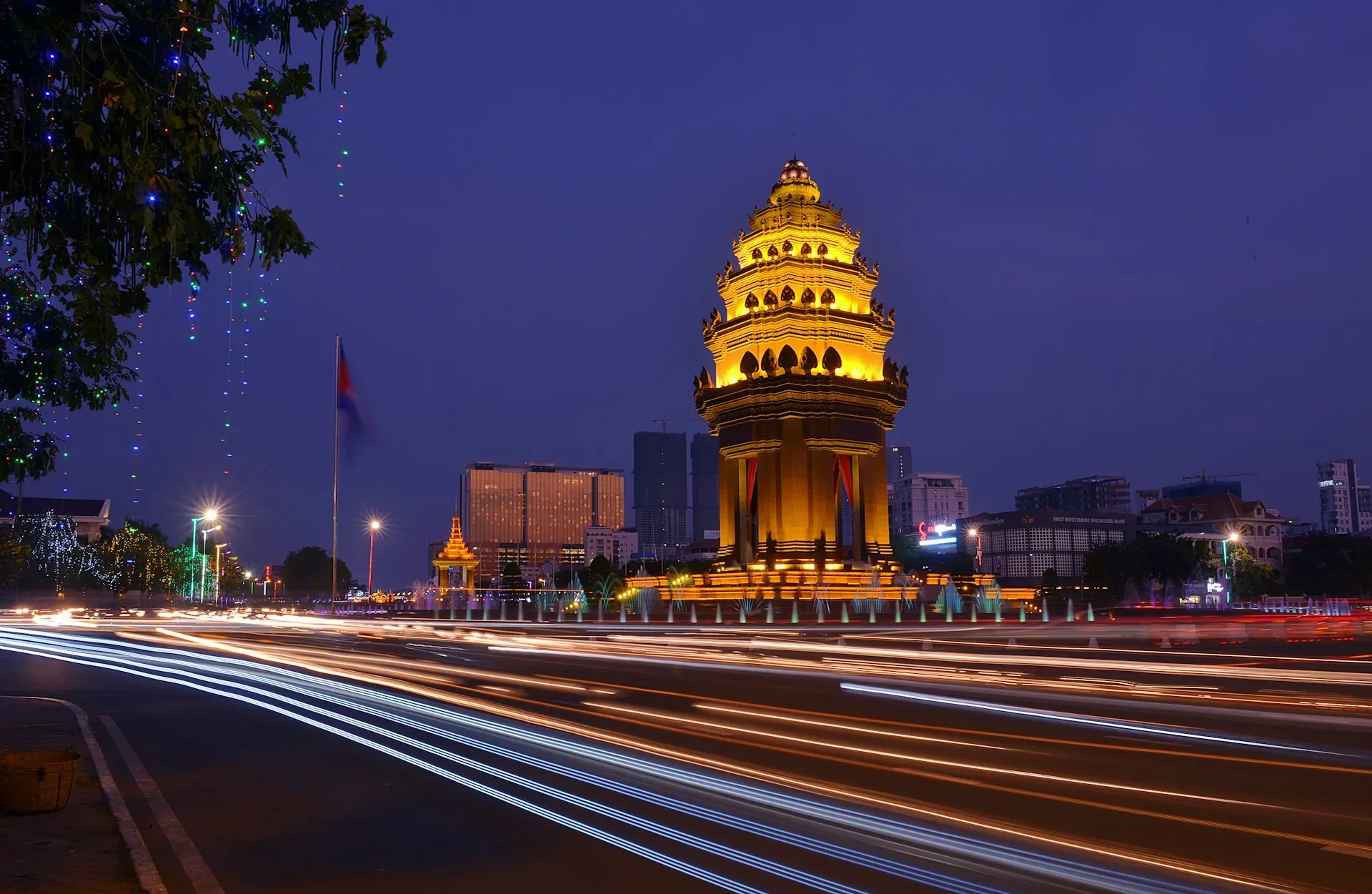
Koh Rong, this stunning Cambodian island, offers a multitude of beaches catering to different needs. Whether you seek excitement or tranquility, it’s essential to choose the right landing point to make the most of your stay. Here’s a practical guide to help you make the right choice.
Read →In Phnom Penh, the Heritage Tour and the Kanika cruise can become one seamless afternoon: heritage at 2 pm, an organised transfer to the boat, then sunset on the Mekong with one complimentary drink worth up to US$5. Here is when to choose the combo — and when to book separately.
Read →In November, Siem Reap and Phnom Penh add a few dates to the temples and the markets: Francophonie, lotus, circus and an exhibition. Dates, addresses and prices.
Read →November to March for blue skies.
The dry season is by far the most comfortable. In July–August, the monsoon turns the landscapes vivid green and the sites much quieter.Tourist e-Visa, 30 USD.
Tourist Visa T on the official portal evisa.gov.kh: stay of 1 month, valid 3 months from issue, about 3 business days. Some embassies also accept in-person e-Visa applications. Passport with more than 6 months remaining at entry.Dollars everywhere, riel for change.
About 1 USD ≈ 4,000 riel. Small, clean notes help. ATMs usually take Visa and Mastercard.Night bus, tuk-tuk, domestic flight.
Siem Reap–Phnom Penh in ~6 hours on a comfortable bus or ~45 minutes by plane. PassApp for city rides.The dry season from November to March is the most pleasant: clear skies, manageable heat, little rain. April and May are very hot (up to 40 °C in Phnom Penh). From June to October is the monsoon: short but heavy showers, lush landscapes, and far fewer visitors at Angkor.
Allow three to four days for Angkor alone, seven to ten days for a first trip combining Siem Reap, Phnom Penh, and the coast, and two to three weeks to explore in depth, including Battambang, Kampot, and the wild northeast.
Yes, overall. Cambodians are welcoming and tourist areas are calm. The usual precautions apply: watch pickpockets in markets, tuk-tuk scams at the airport, and stay on marked paths in former conflict zones (occasional “mine” signs still appear near the Thai border). Health and vaccinations in Cambodia.
Most nationalities need a visa. The official Tourist e-Visa (Visa T) on evisa.gov.kh costs USD 30 (single entry, stay of 1 month, valid for 3 months from the date of issue, about 3 business days). Since 3 October 2026, embassies and consulates abroad no longer issue physical visa stickers. Consular visas are electronic. You can apply on the official portal, and some embassies, including Bangkok and Tokyo, also accept in-person e-Visa applications. Procedures vary by diplomatic mission. Some nationalities are exempt — see the visa guide. A visa on arrival is also available at Phnom Penh and Siem Reap international airports. Avoid third-party sites that charge much more. Cambodia visa guide.
The US dollar is the reference currency for tourists. The Cambodian riel (about 4,000 to 1 USD) is used for small amounts and change. Bring small, clean USD notes (1, 5, 10, 20): torn or very worn bills are often refused. Tipping in Cambodia.
It is possible but frustrating. The site covers 400 km² and each temple deserves time. A one-day pass (37 USD) works for a quick stop—three temples at most. A three-day pass (62 USD) is the sweet spot. A seven-day pass (72 USD) suits enthusiasts.