
The Two Seasons of Cambodia
Cambodia is mainly divided into two seasons: the dry season, which runs from November to April, and the rainy season, from May to October. The dry season itself is split into two distinct phases. The first phase, from November to February, is characterised by pleasant temperatures ranging from 25 to 30°C, ideal for exploring the temples of Angkor or strolling through the lively streets of Phnom Penh. The second phase, from March to April, sees temperatures rise, sometimes reaching 35 to 40°C, which can make visits a bit more challenging. In contrast, the rainy season, although often dreaded, has advantages that many overlook.
The High Season: Pros and Cons
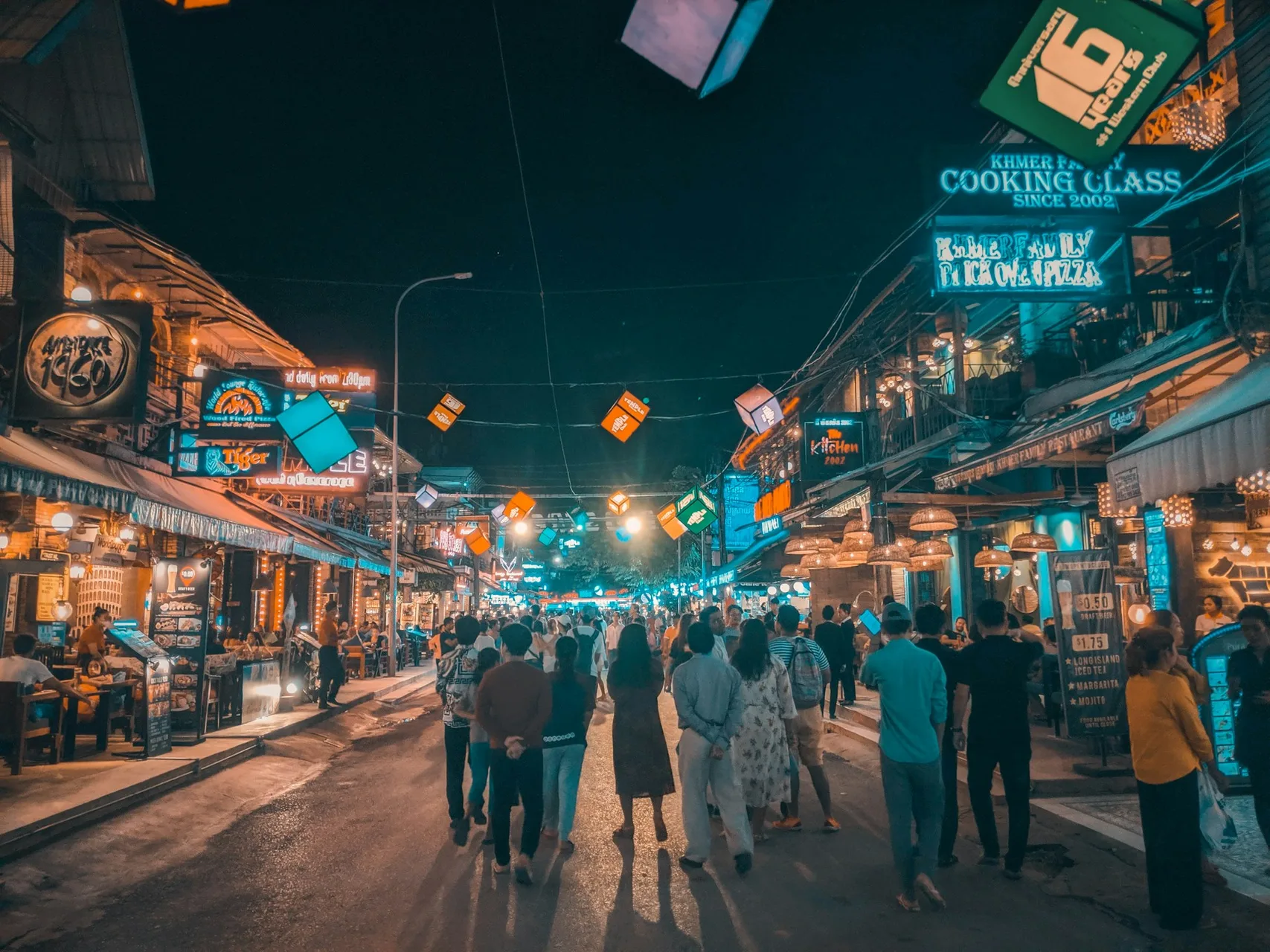
The period from November to March is often considered the high season for visiting Cambodia. Travellers flock to enjoy the clear skies and mild temperatures. However, this influx leads to a rise in prices, sometimes by 20 to 40%, and heavy crowds at tourist sites, particularly at Angkor, where crowds are especially dense during the French school holidays in December and January. If you're looking for a quieter experience, this period might not be ideal.
May and June: The Start of the Rains, but Not Just That
The months of May and June mark the beginning of the rainy season. Although showers become more frequent, they are often short and predictable, mainly occurring in the afternoon. These rains nourish the vegetation, which quickly turns lush, making the landscapes stunningly beautiful. Additionally, tourist sites are much less crowded, allowing you to enjoy the temples of Angkor in a more serene atmosphere. It’s also the perfect time to take advantage of reduced hotel rates, which can drop by 20 to 40% compared to the high season.
July to September: The Full Monsoon
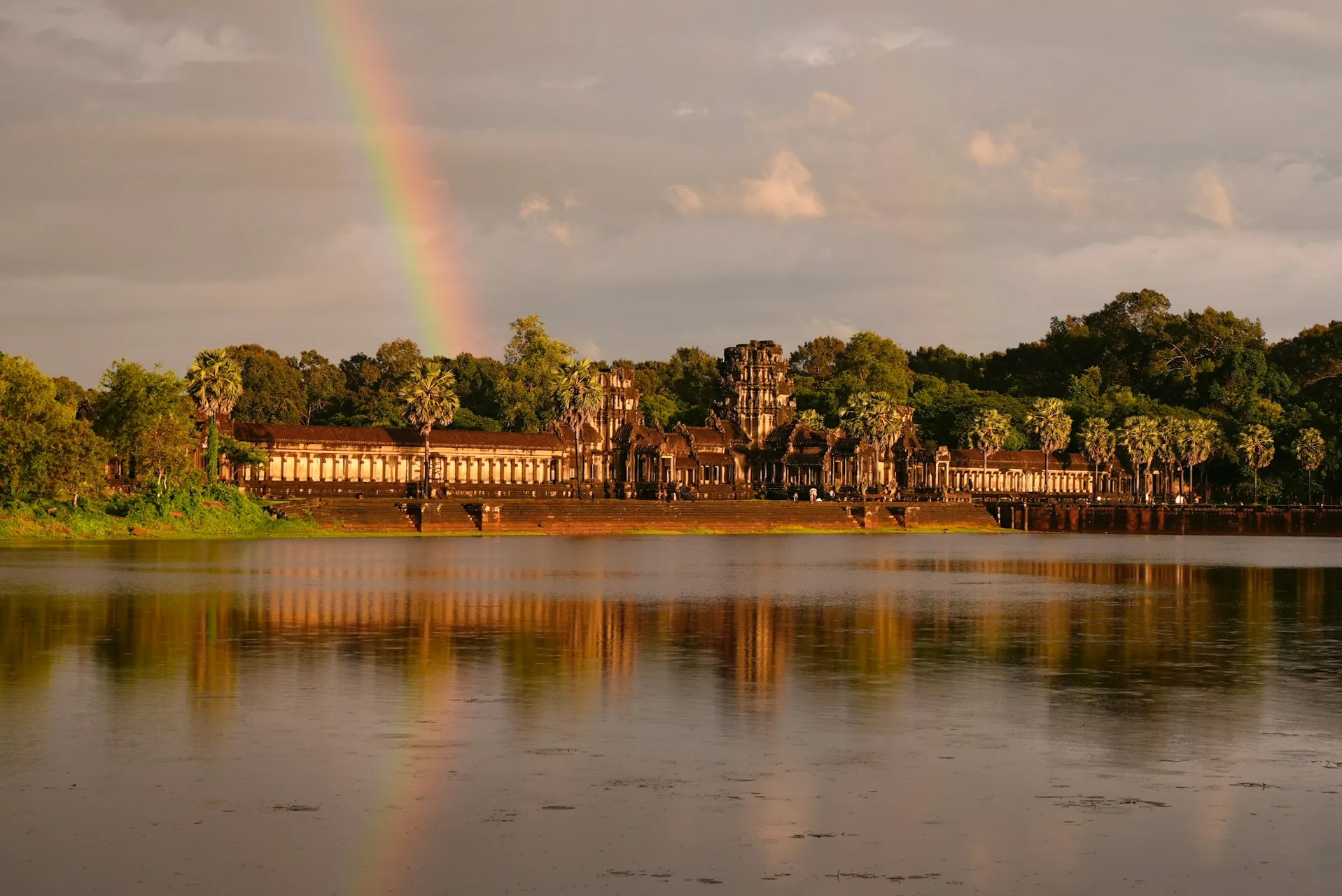
The period from July to September is characterised by the full monsoon, with more frequent rains, especially in September. However, this season offers unique photographic opportunities. The moats of Angkor Wat fill with water, creating enchanting reflections, and the water lilies bloom, adding a splash of colour to this already majestic landscape. The vegetation is lush, providing a breathtaking natural spectacle. Moreover, the number of tourists is significantly reduced, allowing you to explore the temples without being disturbed by crowds.
October: A Magical Transition
October is undoubtedly my favourite month to visit Cambodia. It’s a transitional month where the rains begin to decrease, the landscapes remain green, and accommodation prices stay low. It’s also the time of the Water Festival (Bon Om Touk) in Phnom Penh, a spectacular event that attracts many locals and offers an authentic experience. The rice fields take on beautiful hues, making it the perfect time to capture unforgettable photos. If you’re looking for a period when nature is at its peak and tourist crowds are still moderate, October is the month to choose.